Drone-Unmanned Aircraft System Law in India

Essential Guide to Drone-UAS Laws in India: Regulations and Expert Insights

A drone is an unmanned hybrid aircraft system which runs without any pilot or passengers, also known as unmanned aviation vehicle (UAV). Nowadays, several Indian organisations are competing in the deployment of package delivery by drones. This mode of distribution will be especially handy for small packages. These remote aviation vehicles are generally used for security and search purposes, agricultural survey, forest monitoring, package delivery, photography, railway track mapping etc.

Essential Guide to Drone-UAS Laws in India: Regulations and Expert Insights Read More »

Appointment of new arbitrator and Jurisdiction seat of arbitration

Appointment of new arbitrator and Jurisdiction seat of arbitration

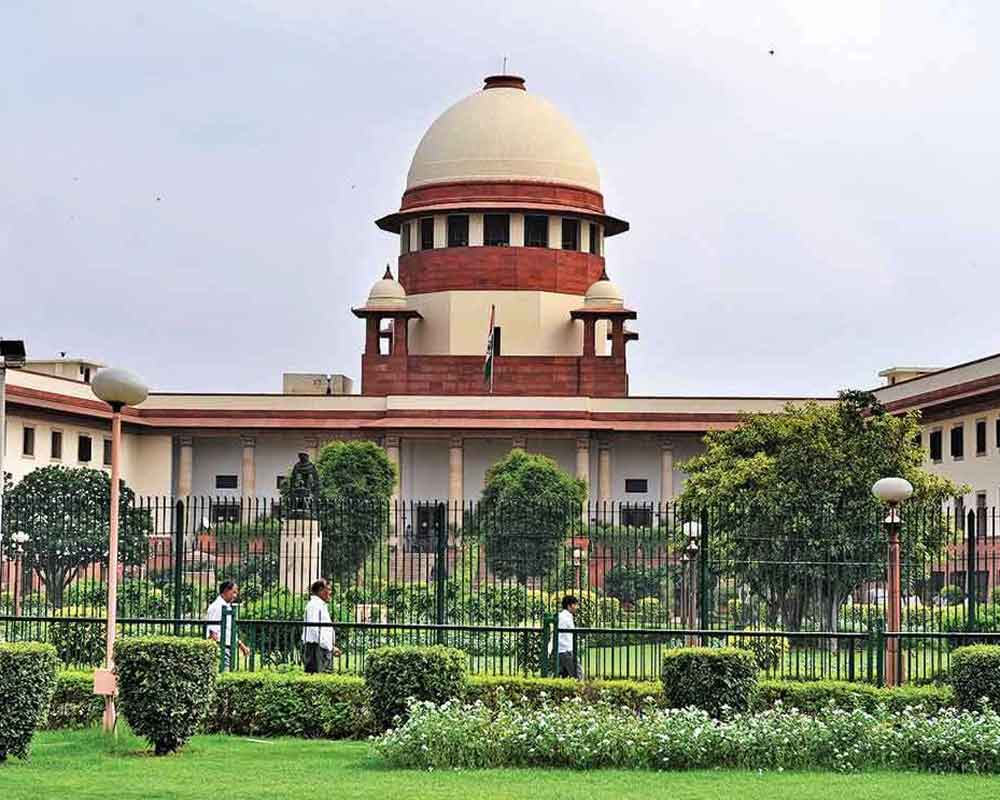
The Supreme Court of India in the case of BBR (India) Private Limited vs. S.P. Singla Constructions Private Limited recently dealt with the question “whether conducting the arbitration proceedings at Delhi, owing to the appointment of a new arbitrator, would shift the ‘jurisdictional seat of arbitration’ from Panchkula in Haryana, the place fixed by the

Appointment of new arbitrator and Jurisdiction seat of arbitration Read More »

How FATF Recommendations Led to the Amendment of Section 24 of the PMLA Act, 2002

How FATF Recommendations Led to the Amendment of Section 24 of the PMLA Act, 2002

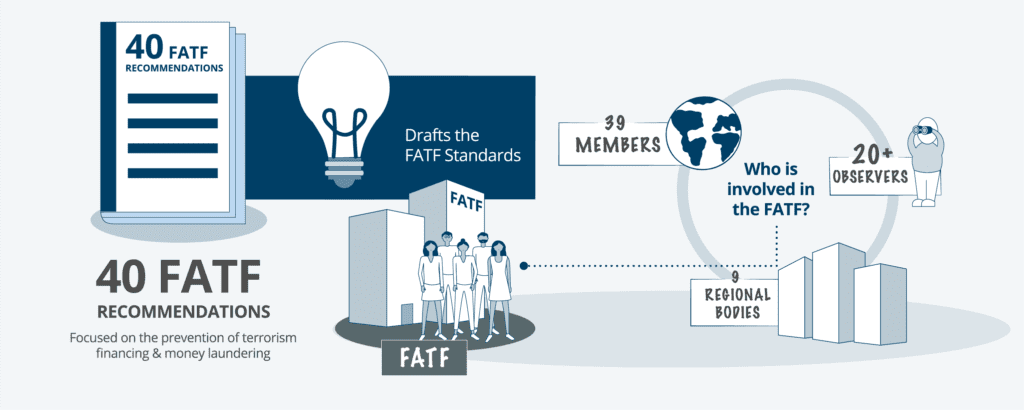
The Financial Action Task Force (FATF) is an inter-governmental body that develops and promotes policies to combat money laundering and terrorist financing. One of the significant recommendations made by the FATF was regarding the amendment of Section 24 of the Prevention of Money Laundering Act, 2002 (PMLA Act). This amendment has significant implications for both

How FATF Recommendations Led to the Amendment of Section 24 of the PMLA Act, 2002 Read More »

The Future of Money Laundering: Trends, Risks, and Challenges Ahead

The Future of Money Laundering: Trends, Risks, and Challenges Ahead

The future of money laundering is a topic that should be of concern to everyone. It is an insidious crime that affects economies, businesses, and individuals. The traditional methods of money laundering are constantly evolving, and with the rise of new technologies, the risks and challenges ahead are more significant than ever before. Trends in

The Future of Money Laundering: Trends, Risks, and Challenges Ahead Read More »

Taxation of lotteries by States in India

Taxation of lotteries by States in India

Recently, the States of Karnataka, Kerala and others preferred an appeal before the Hon’ble Supreme Court of India against the judgments of respective High Courts holding that the State Legislatures had no legislative competence to pass the respective acts regarding taxation of lotteries (for instance, Karnataka Tax on Lotteries Act, 2004) and, consequently, directed the

Taxation of lotteries by States in India Read More »

CERT-In's Role in Strengthening Cyber Security in India

Issuance of directions by Indian Computer Emergency Response Team (CERT-In)

The Central Government in terms of the provisions of sub-section (1) of section 70B of the Information Technology Act, 2000 (“IT Act, 2000”) has appointed “Indian Computer Emergency Response Team (CERT-In)” on 27th October 2009 under the provisions of sub-section (4) of section 70B of IT Act, 2000 and notified the Information Technology (The Indian

Issuance of directions by Indian Computer Emergency Response Team (CERT-In) Read More »

Money Laundering and the Global Economy: A Threat to National Security

Money Laundering and the Global Economy: A Threat to National Security

Money laundering is a complex issue that poses a significant threat to national security and the global economy. In simple terms, money laundering is the process of disguising the proceeds of illegal activity as legitimate funds. Criminals engage in money laundering to conceal the source of their illicit gains and to avoid law enforcement detection.

Money Laundering and the Global Economy: A Threat to National Security Read More »

Best Practices for Government to Combat Money Laundering Worldwide

How Governments Can Combat Money Laundering: A Look at International Cooperation and Best Practices

Governments around the world are facing a growing challenge in combating money laundering. Money laundering is a process by which the proceeds of criminal activity are converted into legitimate funds that cannot be traced back to their illegal origins. This problem has been a major concern for governments, as it can undermine the integrity of

How Governments Can Combat Money Laundering: A Look at International Cooperation and Best Practices Read More »

Scroll to Top